Broadcast · Fantasy Sports
EPL Fantasy Show

Two-host pregame with live score Phil Foden Most-selected XI Two-host trivia question Fantasy team formation Three-host Final Day Countdown Festive Fixtures schedule Two-host pregame Phil Foden Most-selected XI Two-host trivia Fantasy team formation
Fantasy leaderboard with formation Game countdown timer Results view with hosts Two-host poll segment Festive Fixtures schedule Three-host layout Fantasy leaderboard Countdown timer Results view Two-host poll

A modular broadcast design system we built to power two Premier League Fantasy shows — the weekly EPL Fantasy Show and The Festive Fixtures holiday special. Every widget, layout, and data module was designed as a composable piece that producers could mix, match, and reconfigure live without a single redesign.

Role

Senior Product Designer

Company

XALT

Platform

Web · SmartTV

Users
Fantasy FanFantasy Fans EPL FanEPL Fans Data EnthusiastData Enthusiasts Live ViewerLive Viewers
Left third broadcast panel
Right third broadcast panel
Lower third name bar
Bottom right broadcast element
Top right broadcast element
EPL Fantasy Show default broadcast layout
Design Approach

Designing a system and a show.

The first decision the team made was to stop thinking about individual screens. A live broadcast changes constantly — hosts are added, sponsors rotate, segments swap mid-show. If every layout was a bespoke composition, the production team would need a designer in the room for every episode.

Instead, working alongside producers and developers, we built a library of self-contained modules — player stat cards, formation viewers, leaderboards, countdown timers, trivia overlays, sponsor integrations — each with its own internal layout logic and spacing rules. Producers could drag and drop these into any configuration. The system held the visual consistency. The humans held creative control.

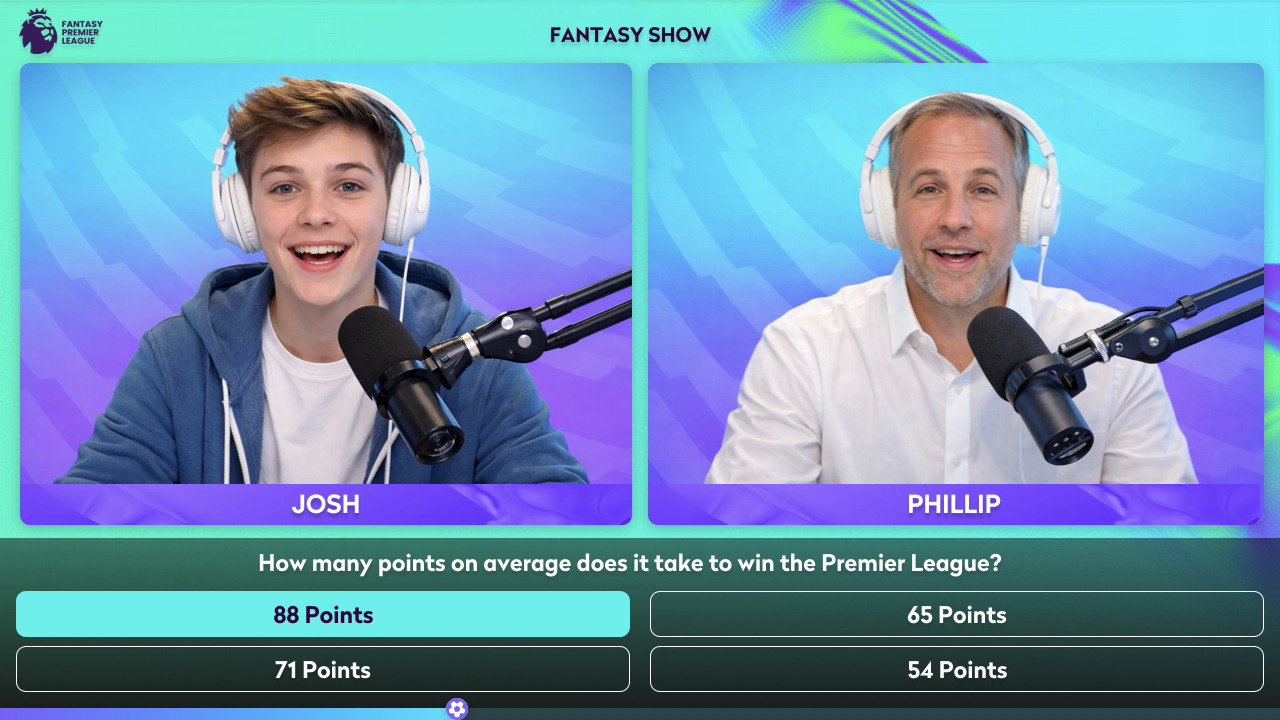
Two-host layout with Fantasy trivia question overlay
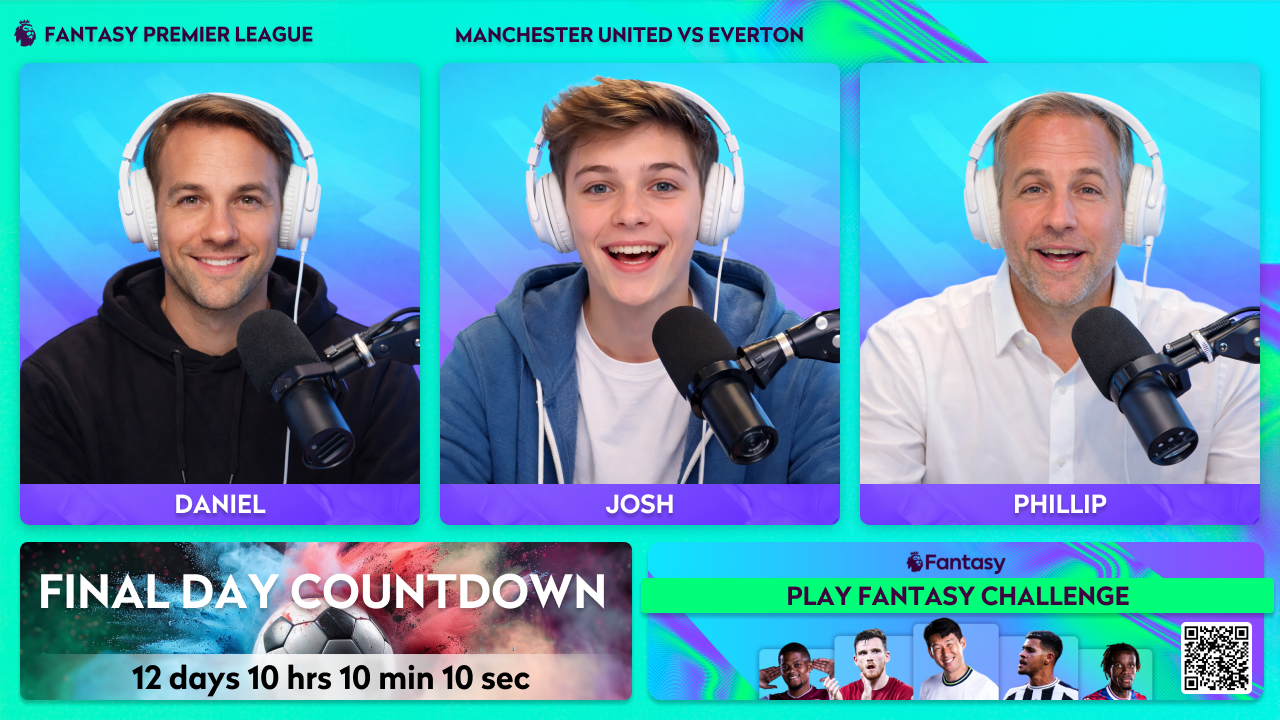
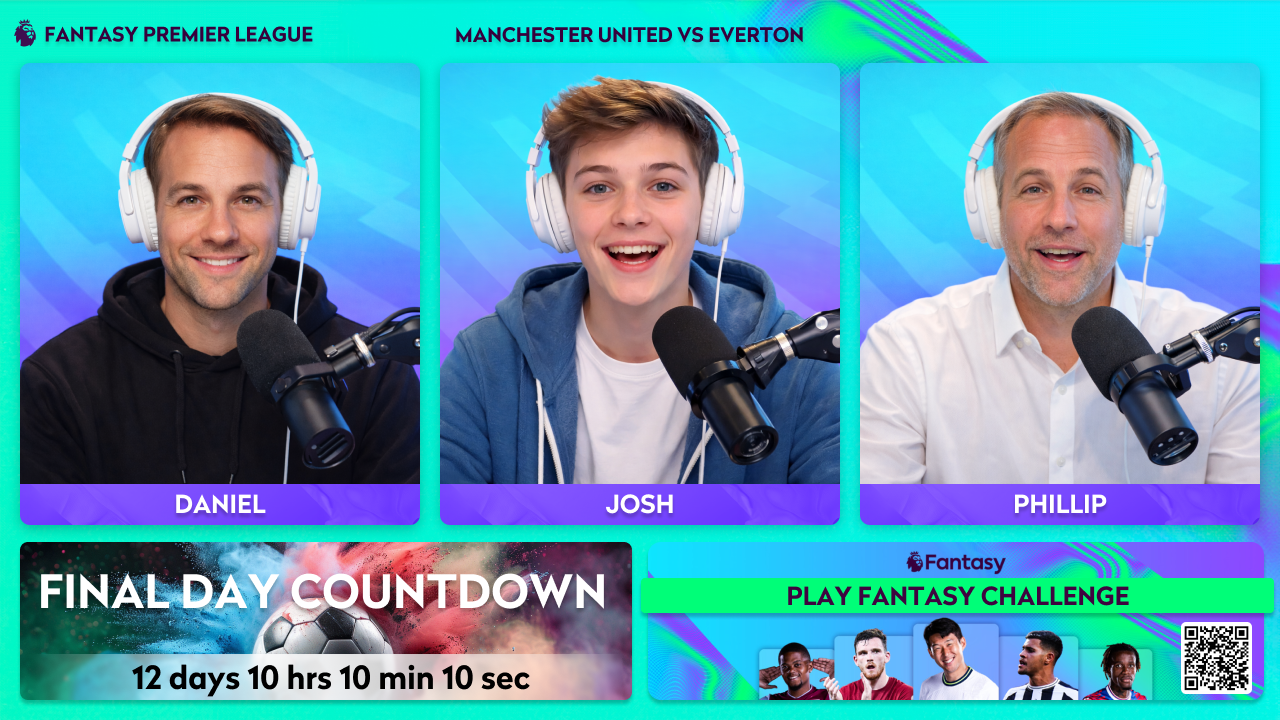
Three-commentator pregame broadcast layout
Flexible Host Layouts

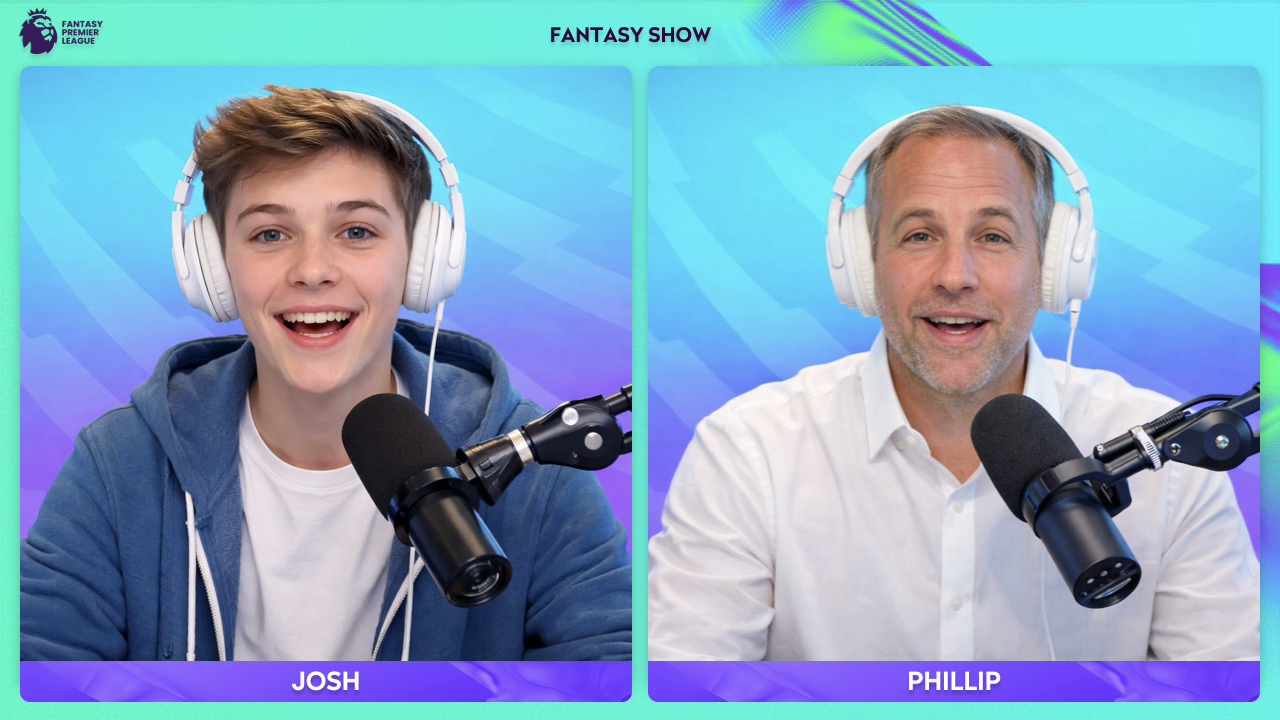
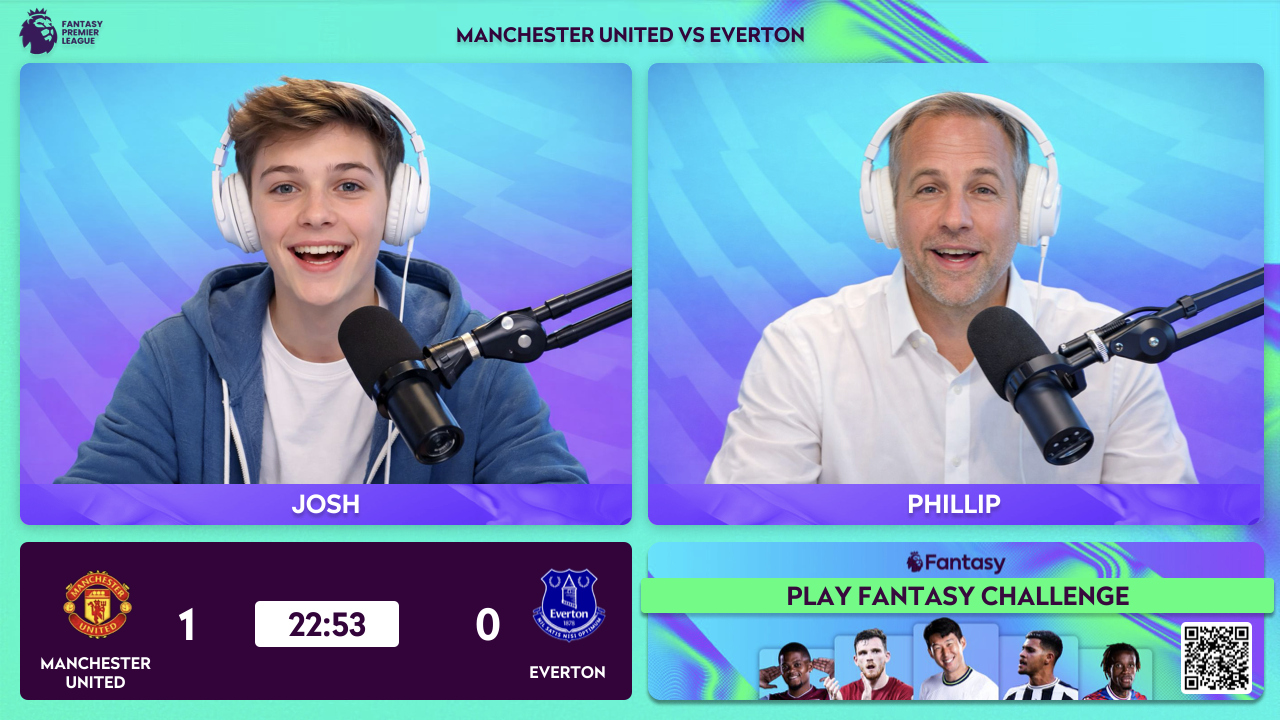
The show format shifted week to week — solo studio, two-person deep dives, three-commentator matchday panels, five-host finales. In collaboration with the production team, we designed each host frame as a spatial building block: consistent lower-thirds with name cards, clear hierarchy for the active speaker, and breathing room for data modules running below.

Fantasy Data Modules

Real-time data, designed to be glanceable.

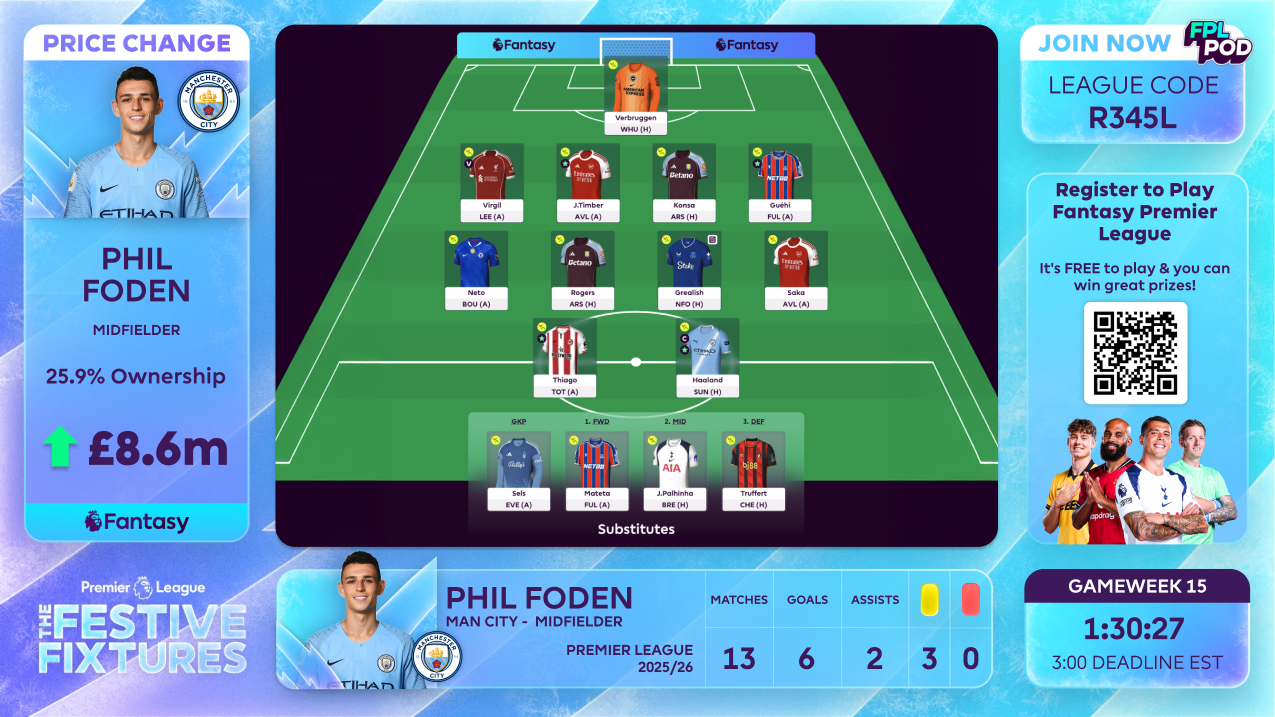
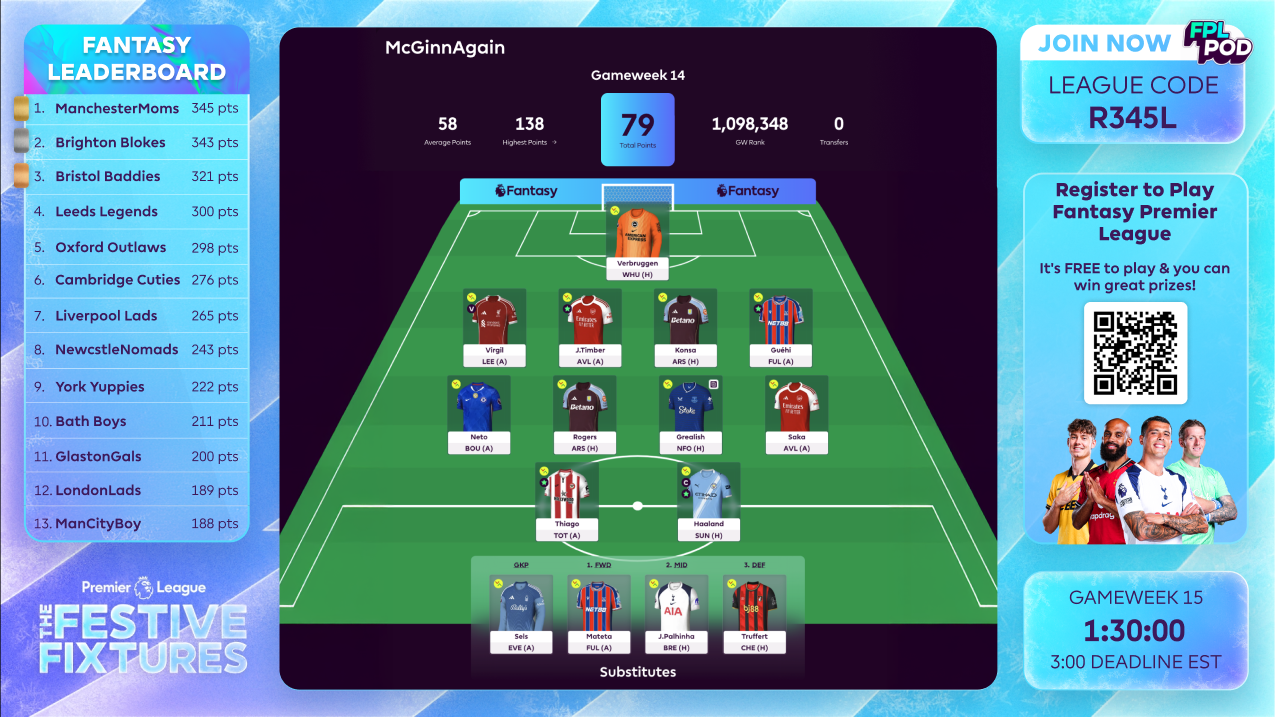
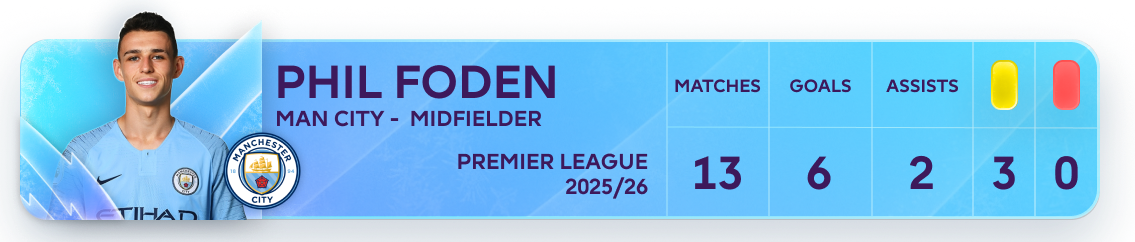
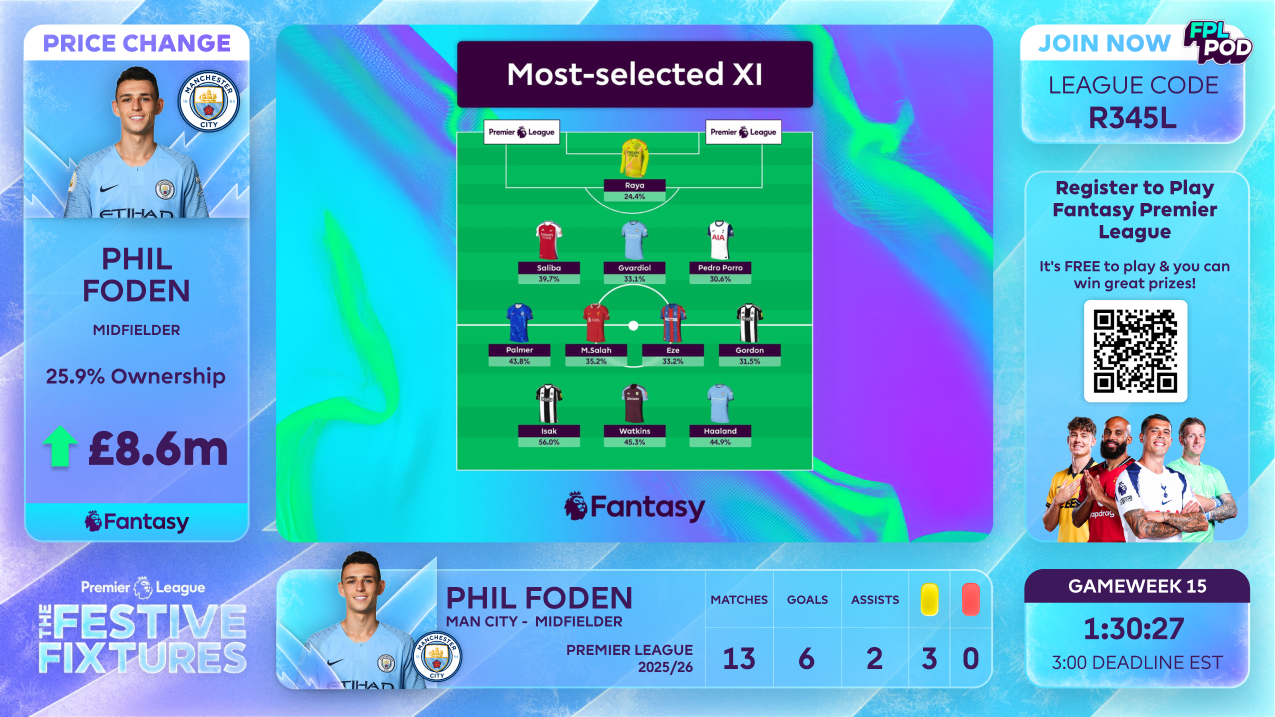
Fantasy managers needed to track player prices, formation picks, and leaderboard standings — all while watching live commentary. Working with the data team, each widget was designed to be self-contained and scannable. A formation viewer showing the Most-Selected XI with player headshots and ownership percentages. A leaderboard with live rank changes and team details.

Every widget followed the same visual grammar: consistent card radius, predictable type hierarchy, and a color palette that differentiated data types without competing with the broadcast feed above.

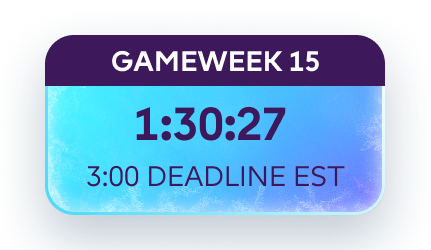
Fantasy leaderboard with team formation detail and countdown timer
Full team formation view with 11 player cards and substitutes
Three-commentator pregame broadcast layout
Interactive Segments

The audience didn't just watch. They played.

The team designed custom interactive segments that turned passive viewers into participants. "Create a Team Badge" let fans build their own club identity live during the show using a pre-built asset library. "Ones to Watch" surfaced recommended Fantasy picks with real-time viewer voting. Four-option trivia questions tested Premier League knowledge between pundit segments.

Each mechanic required different UX — a badge picker is fundamentally different from a trivia answer grid, which is different from a live voting interface. In collaboration with developers, we built the module container system to accommodate all of them, and any future segment type, without breaking the layout contract with the host frames above.

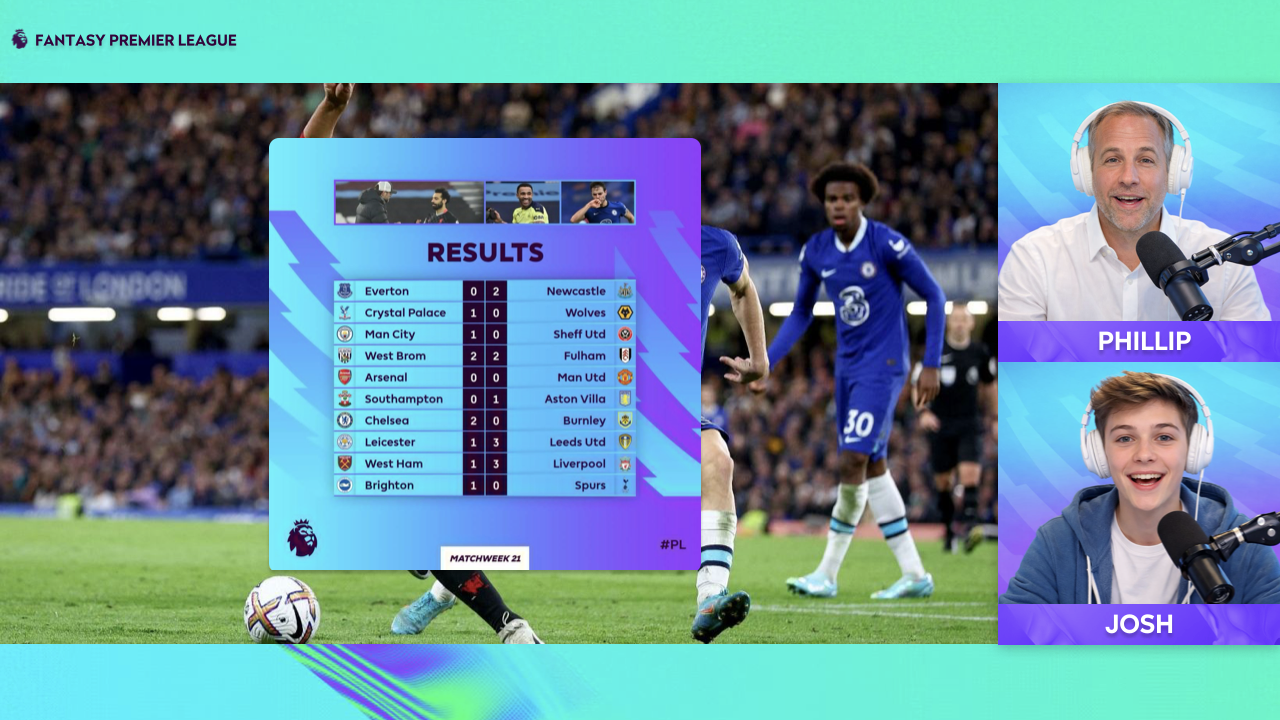
Full results view with hosts, match results, and live commentary
Supercast

Every match. Every score. All in one frame.

The Supercast Game Day view was the hardest design problem in the system. We needed to display every active Premier League match simultaneously — live scores, elapsed time, team badges — alongside host commentary and a live fan chat feed. Everything had to be readable at a glance without scrolling.

The team's solution was a priority-based grid that dynamically surfaced the most active match — most recent goal, highest-scoring game — while keeping all others visible in the periphery. The chat column anchored the right edge, keeping community energy front and center without overwhelming the score architecture. Working with engineers, we designed every state: pre-match, live, half-time, full-time, and the transitions between them.

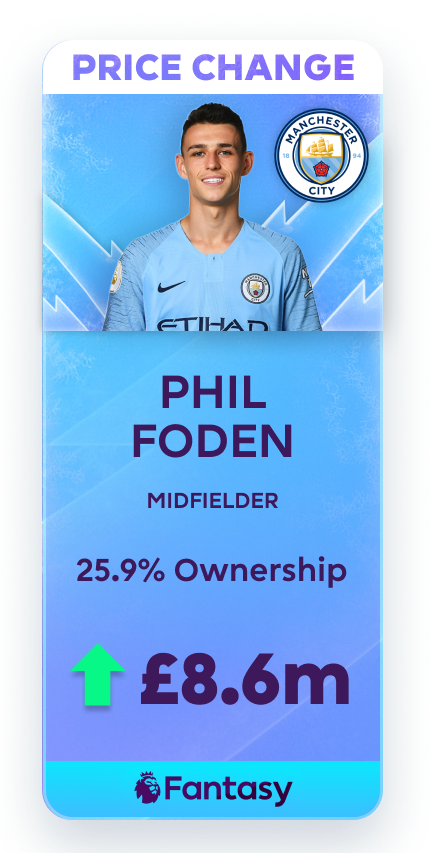
Phil Foden player card with Most-Selected XI formation
Two-host pregame with live score ticker
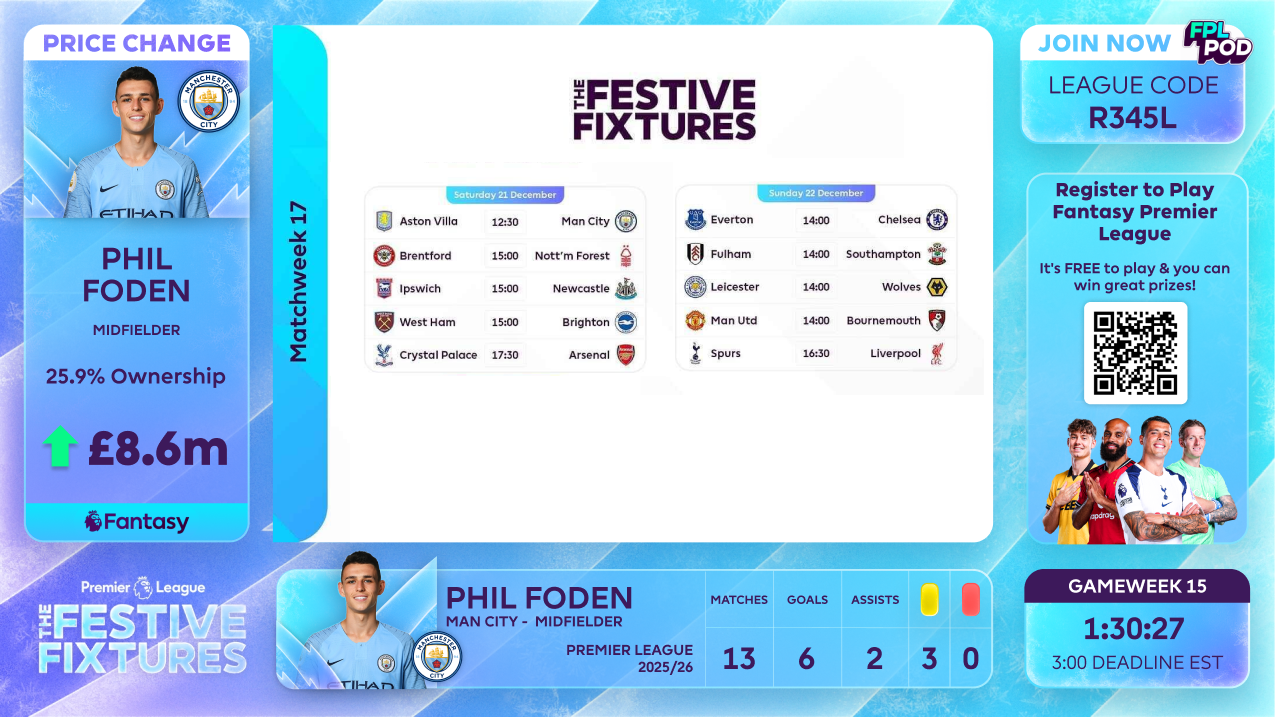
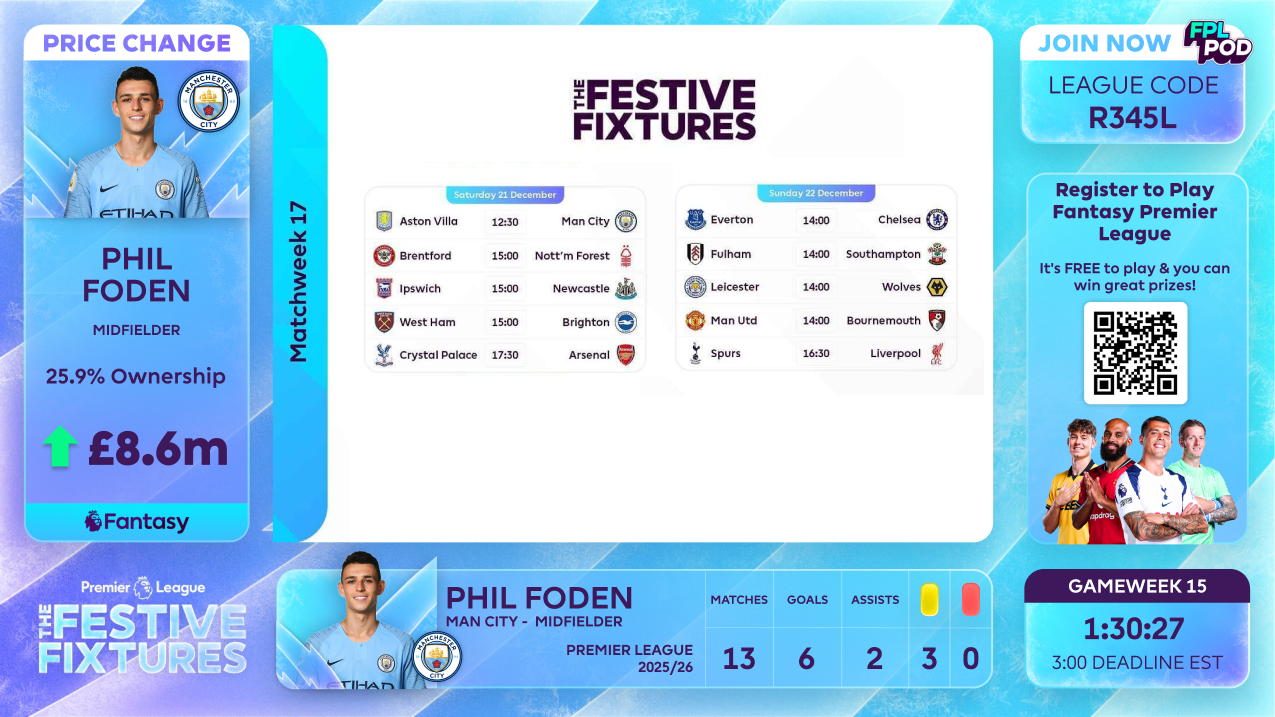
Festive Fixtures match schedule grid
The Festive Fixtures

Same system. Completely different identity.

The Festive Fixtures was a holiday special built in collaboration with Men in Blazers. It needed to feel like its own show — winter ice textures, crystalline typography, cool blue-to-white gradients — while running on the exact same module architecture the team had built for the Fantasy Show.

This is where the design system paid off. We reskinned every widget — player spotlight cards, formation viewers, fixture schedule grids, leaderboards — by swapping the color tokens and texture layer. No structural redesigns. The modular foundation the team had built meant a full visual rebrand took days, not weeks, and every module still worked exactly as producers expected.

The Festive Fixtures match schedule layout
Companion App Producer Panel
Producer Panel Producer Panel →